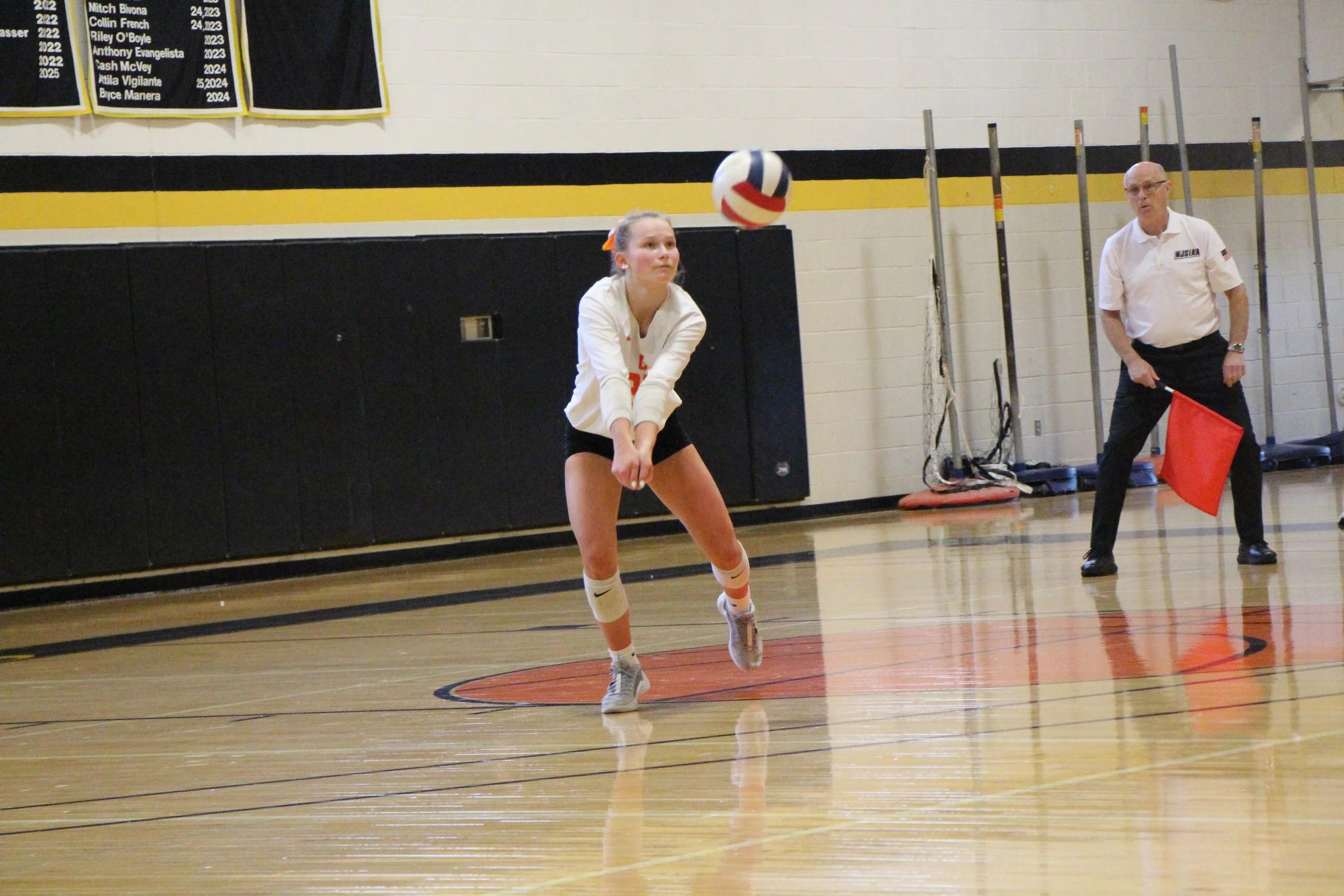
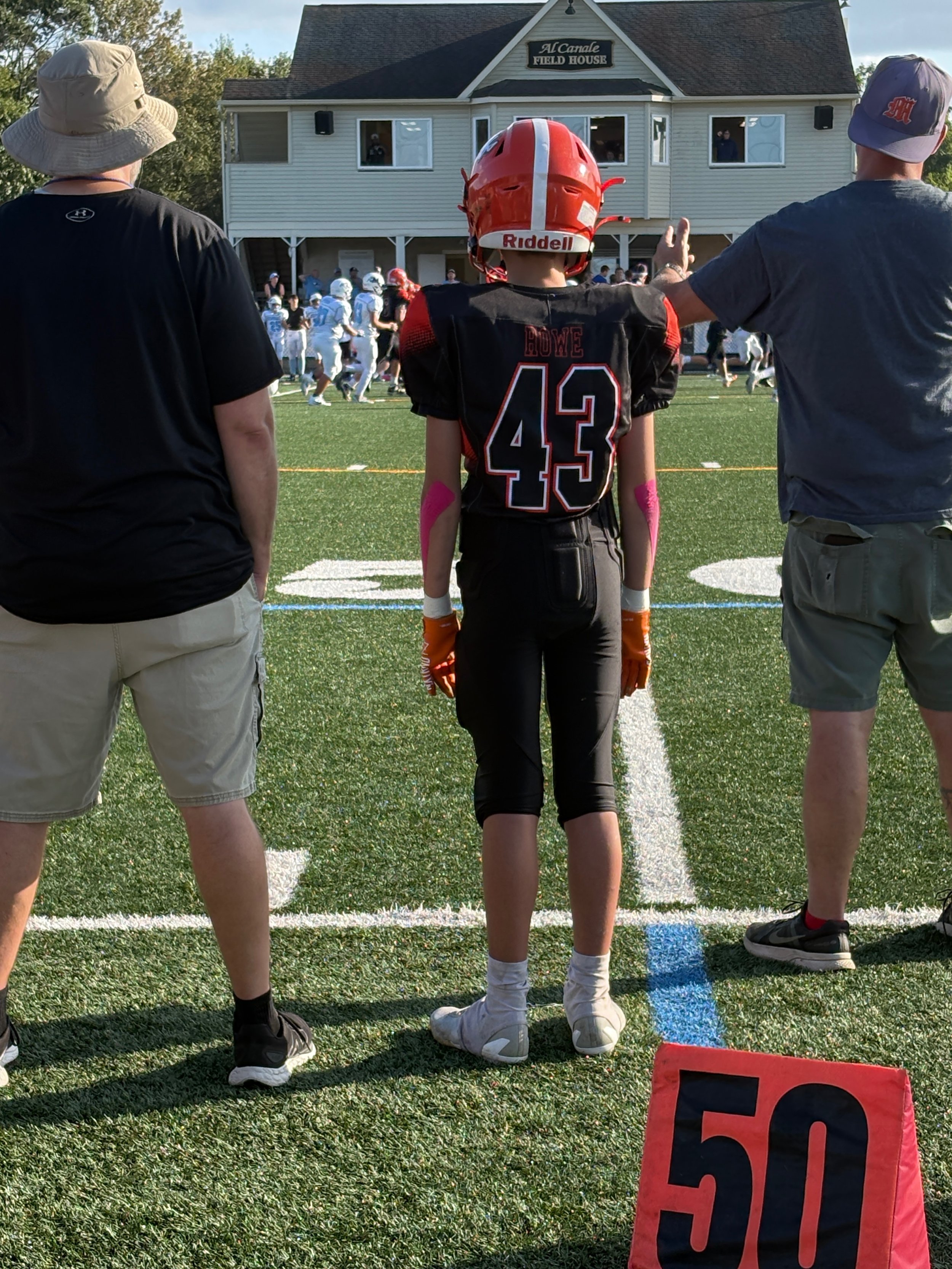
It Started on the Field
I’ve been around competitive sports my entire life.
As a former Division I soccer player at UNC Charlotte, I learned early that talent alone doesn’t separate good athletes from great ones. The difference often comes down to mindset, how you handle pressure, how you respond after mistakes, and how you carry yourself when expectations are high.
The Perspective That Changed Everything
After my playing career, I stayed close to the game. I coached. I studied performance. And eventually, I became a parent to four competitive athletes, each with different personalities, goals, and paths.
That perspective changed everything.
I’ve sat in the car after games and practices with tears in the passenger seat. Sometimes it was about playing time. Sometimes it was about not performing to their own standard. Often, it was the weight of expectations, some internal, some external.
Pressure in youth sports is layered. Athletes put immense standards on themselves. Parents sometimes add pressure without realizing it. Coaches push for growth. The combination can feel overwhelming.
What I learned quickly is that when an athlete is already spiraling internally, they don’t need more intensity. They need structure. They need perspective. They need tools.
What Makes My Approach Different
I understand female athlete psychology because I lived it.
And now I’m raising it.
I’ve watched strong, capable athletes crumble on the field and in the car after games. Not because they didn’t care, but because they cared so much. I’ve seen how fear of disappointing others can outweigh the joy of competing. How perfectionism quietly turns into overthinking. How one piece of feedback can echo louder than 10 positive moments. And how any feedback from mom can turn into an argument.
High-achieving athletes often internalize everything. They want to be dependable. Coachable. Strong. They put pressure on themselves long before anyone else does.
When that pressure is unmanaged, it shows up as hesitation, second guessing, and emotional spirals that impact performance.
I focus on helping athletes recognize the moment their mindset shifts. The dropped shoulders after a mistake. The pause before the next play. The internal replay starting in their head.
What we focus on next is the key; We train the reset.
We train to forget faster.
We train to reset and respond.
Then they start saying mantras like:
“Serve me again.”
“Give me the ball.”
“You got me once, but you won’t get me twice.”
It doesn’t eliminate mistakes. It builds competitors who recover and adjust faster than anyone else on the field or court.
Instead of slipping into self-pity or replaying the error, they shift.
They square their shoulders.
They stay aggressive.
They demand the next opportunity.
Athletes do not need to be less emotional. They need better tools.
Confidence becomes durable.
Energy stays steady.
Performance becomes more consistent.
That is the edge.
Who I Work With
I work with competitive programs and athletes who are serious about building the mindset to match their skill.
My goal is to help them develop the confidence, composure, and consistency required to compete at a high level and enjoy the personal growth that comes with it.
Strong athletes train their bodies.
Elite athletes train their minds.
I help athletes build their mindset intentionally.
If you recognize this in your athletes, you’re not alone.
What will set your athlete, team, club, or program apart is the decision to train mental performance, just like you train for physical performance.
You understand that performance is more than lifting weights or getting touches on the ball.
Training your mind is often the differentiator that takes athletes and teams from good to great.
Why this work matters. the long game.
This work is personal.
It lives in early mornings, long practices, quiet car rides, a duty to serve, hard conversations, big wins, and everything in between.